Oral microbiome testing
Saliva testing for
odor-causing bacteria
Persistent bad breath is not always explained by brushing habits alone. Saliva testing can add objective information about the bacteria and fungi living in the mouth—helping your dentist investigate likely contributors instead of relying only on guesswork.
What the test can show
An oral microbiome test analyzes a saliva sample for patterns of microorganisms associated with oral odor and other dental conditions. Depending on the laboratory and panel used, the report may identify organisms or risk patterns associated with:
- Persistent bad breath and sulfur-producing bacteria
- Gum inflammation and periodontal disease
- Tooth-decay risk
- Oral fungal imbalance
- Dry-mouth-related changes in the oral environment
A simple test. A more informed conversation.
01
Collect
Provide a saliva sample using the laboratory kit and follow its collection instructions carefully.
02
Analyze
The laboratory analyzes the sample and prepares a report describing detected organisms or risk patterns.
03
Interpret
Your dentist considers the report alongside your examination, health history, medications, gum health, tongue coating, saliva flow, and symptoms.
04
Plan
If appropriate, the findings help inform an individualized treatment and follow-up plan determined by your dentist.
Understanding a sample report
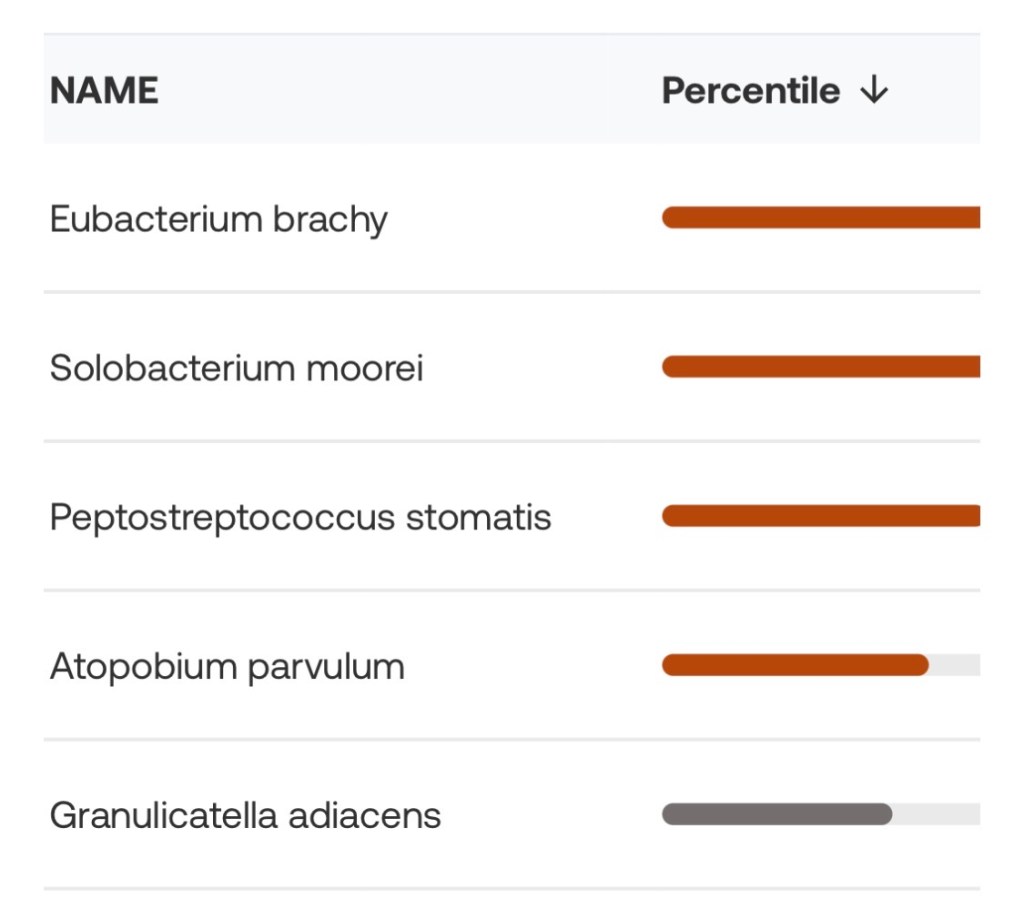
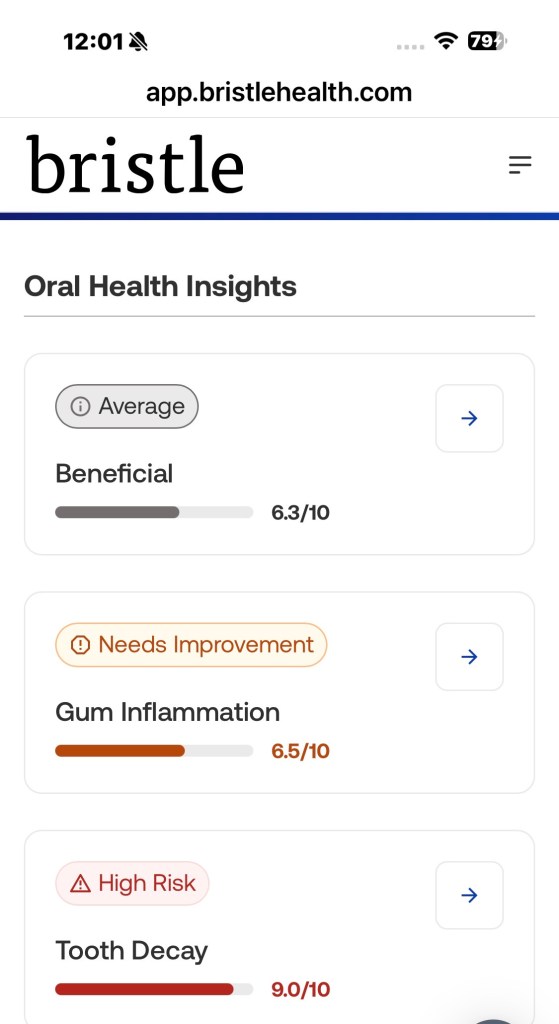
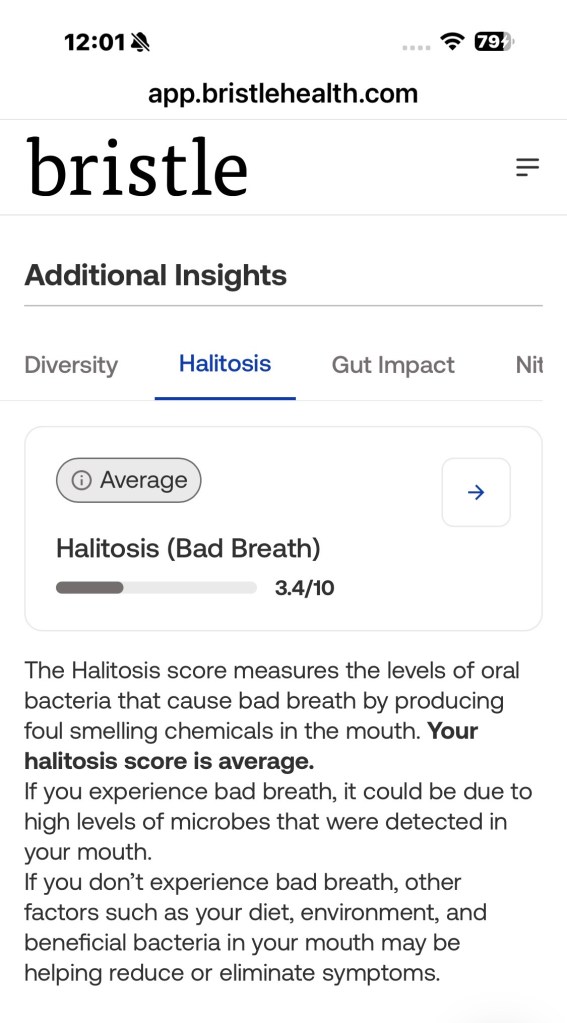
Reports can contain a great deal of information. The goal is not to treat a number in isolation—it is to connect relevant findings with what your dentist observes clinically.
See how the testing process works
What saliva testing does not do
A saliva report is one piece of evidence. It does not independently diagnose the cause of bad breath, replace a dental examination, establish that every detected organism requires treatment, or diagnose gastrointestinal disease. Results must be interpreted in context by a licensed dentist, with medical referral when a non-oral cause is suspected.
How results may inform care
Depending on the examination and your individual needs, your dentist may discuss professional cleaning or periodontal care, tongue-care and home-care techniques, management of dry mouth, treatment of decay or infection, laser-assisted therapy when clinically appropriate, diet and behavioral factors, selected products or supplements, and follow-up testing. Not every option is appropriate for every patient.
Independent clinical care: Bad Breath Clinics provides education, training, and referral services. Each participating dentist owns and operates an independent practice and exercises autonomous clinical judgment. Your dentist determines your diagnosis, whether testing or treatment is appropriate, and your individual treatment plan.
We may use different laboratory products depending on the clinical situation. One option is Bristle Health, which offers an at-home saliva collection kit and online oral microbiome reporting. Laboratory methods, processing times, and report contents may change; your dentist will advise you about the option being considered.
Testing should lead to understanding.
A thoughtful evaluation combines objective findings with an experienced clinical examination. Explore our participating practices to discuss whether saliva testing belongs in your evaluation.

